Sub-Zero
Independent Sub-Zero repair across St. Johns County
Sub-Zero built-in refrigeration is the most common thing we are called to in this county, and airflow is the answer far more often than the sealed system is.
Independent Multi-brand St. Johns County, Florida
Monday – Friday 8:00am – 6:00pm $80 diagnostic
Ice makers
An ice maker is a small refrigeration circuit with a plumbing problem attached, and it almost always degrades quietly rather than failing outright.
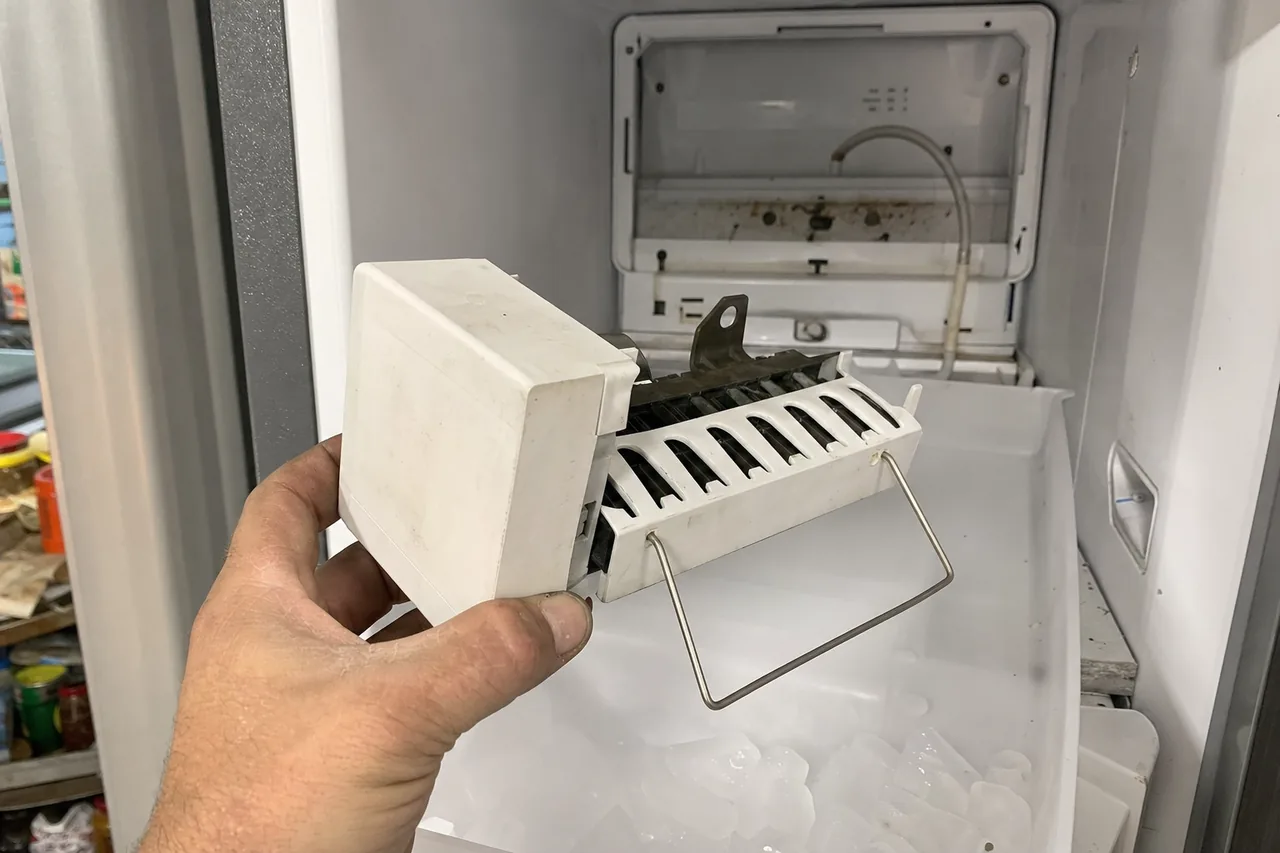
How this appliance actually fails
An ice maker degrades rather than fails. The control runs a timed fill, not a metered one, so anything that reduces how much water arrives per cycle produces smaller cubes and a longer harvest without triggering any fault at all — which is why owners describe the machine as slow rather than broken.
What people call us about
An ice maker is a small refrigeration circuit with a plumbing problem attached, and the appliance in a kitchen most likely to get worse for two years before anybody calls. The reason is structural: almost nothing about it is monitored.
The control runs a timed fill, not a metered one: it opens the fill valve for a set period and assumes the mould is full at the end of it. Most machines have no sensor confirming that, so anything reducing how much water arrives in that window — a valve seat that no longer opens fully, a partly closed shut-off, a kinked supply line, low pressure at the connection — produces an under-filled mould and no fault code at all.
An under-filled mould makes a smaller cube. Reduce it further and the outside freezes against the mould wall with too little water behind it, and the cube comes out hollow. That progression is gradual enough that most households adjust rather than notice, which is why the cubes got smaller is the single most useful thing anyone can tell us on the phone.
Harvest fails second. Ice releases from a clean mould with a short application of heat; anything that makes it cling — a rough surface, a deposit, a mould not reaching release temperature on a weak heater circuit — lengthens the harvest. The cycle stretches, output falls, and on some machines the harvest stalls with a partial slab attached. The next fill lands on top of it, which is where the overfill and the puddle come from.
A stalled harvest and an under-filled mould produce the same complaint — output has halved — and are different repairs. Watching one full cycle separates them, which is why the fault is reproduced before anything is measured.
Low pressure at the appliance connection presents exactly like a failing fill valve: same symptom, same progression, entirely different repair. The fixtures in the room can behave perfectly while the appliance behind the cabinetry is fed through a long, small-bore run, an old saddle valve, or a shut-off somebody closed most of the way years ago and forgot.
The only way to separate them is to measure at the appliance connection rather than at the sink. It takes two minutes and is on the list for every ice-maker call, because fitting a fill valve to cure a plumbing restriction is one of the more annoying ways to spend money in this trade.
Cubes fusing into a block in the bin is a separate fault: usually a bin thermostat, a door or lid seal letting warm air in, or a harvest leaving the cubes wet enough to bond as they settle.
Cloudy cubes on a clear-ice machine are their own thing. Clear ice is made by freezing slowly enough that the freezing front rejects what is dissolved in the water as it advances. Anything that speeds that front up — a colder set point, a shorter cycle, a fault in the flow across the plate — gives cloudy ice on an otherwise normal cycle.
A machine that cycles normally while the bin stays empty is nearly always the bin level sensing rather than the ice maker. Mechanical arms stick, get held up by a bag of frozen peas, or lose their spring; optical sensing gets obscured. Both stop production with nothing wrong inside the machine, and both are worth ruling out before a component is quoted.
A standalone or undercounter machine is usually fixed into a run of cabinetry, breathes through a front grille, and drains to a pump or a gravity run. All three are checked before anything is pulled forward. Where the ice maker sits inside a built-in refrigerator, the access question is the refrigerator’s and the labor follows from that.
The cheapest useful outcome here is a maintenance one, and we say so when it applies rather than quoting a part. Where a fill valve has metered low for a year the seat is usually damaged by then and the valve is replaced: a cleaned seat with a pitted face goes straight back to metering low. A cutter grid with mineral bridging between the wires is replaced outright, since the bridging conducts and cleaning it is temporary.
What is not worth doing is replacing a working refrigerator because its ice maker slowed. Where the machine is integrated into a built-in column, that is a very expensive answer to a small question.
Flat $80 diagnostic, credited against the repair. Written estimate before any work starts. Genuine OEM parts, 90 days labor, 365 days parts.
What repairs run
The visit is $80 flat and comes off the bill. What the repair costs depends on which part failed, so these are ranges, not quotes.
| Repair | Typical range |
|---|---|
| Ice maker, water valve or supply line | $240–$650 |
| Evaporator or condenser fan motor | $250–$550 |
| Defrost heater, thermostat or sensor | $240–$610 |
| Diagnostic visit, credited to the repair | $80 |
Parts are itemised on the written estimate, and nothing is fitted before you have approved the figure.
Questions
Related
Sub-Zero
Sub-Zero built-in refrigeration is the most common thing we are called to in this county, and airflow is the answer far more often than the sealed system is.
Thermador
Thermador is the broadest line we work on, which means one house can have four Thermador appliances failing for four unrelated reasons.
Viking
Viking Range builds professional-style kitchen equipment, and the Viking in this county tends to be twenty years old and still worth keeping — which makes parts availability the first question.
Bosch
Bosch dishwashers dry by condensation rather than with an element in the tub, and that one design decision changes what a drying complaint actually means.
Customer feedback
Rated 4.4 out of 5 across 100 customer reviews. Each is one visit, described by the person who paid for it.
Filed under this appliance type, so every entry here is a visit to one.
Water was pooling under the unit every few days. He traced it to a cracked fill tube rather than the pump everyone had blamed, replaced it and re-routed the line so it stopped chafing on the cabinet edge. Dry since.
Leontine I.2026-02-10
The ice maker had quit filling completely. He checked the supply first and found the saddle valve half closed behind the cabinet, then replaced the fill tube heater that had failed with it. Ice returned by that evening.
Linnea F.2026-05-27
The maker had slowed right down over a year without ever faulting. He explained that the fill is timed rather than measured, showed me the restriction upstream, cleared it and changed the screen. It took two visits to finish.
Philippa O.2026-01-13
Terms
Written estimate before any work begins. 90 days on labor, 365 days on parts, genuine OEM parts.